Poland’s President Signs “Safe Baltic” Law to Strengthen Maritime Security

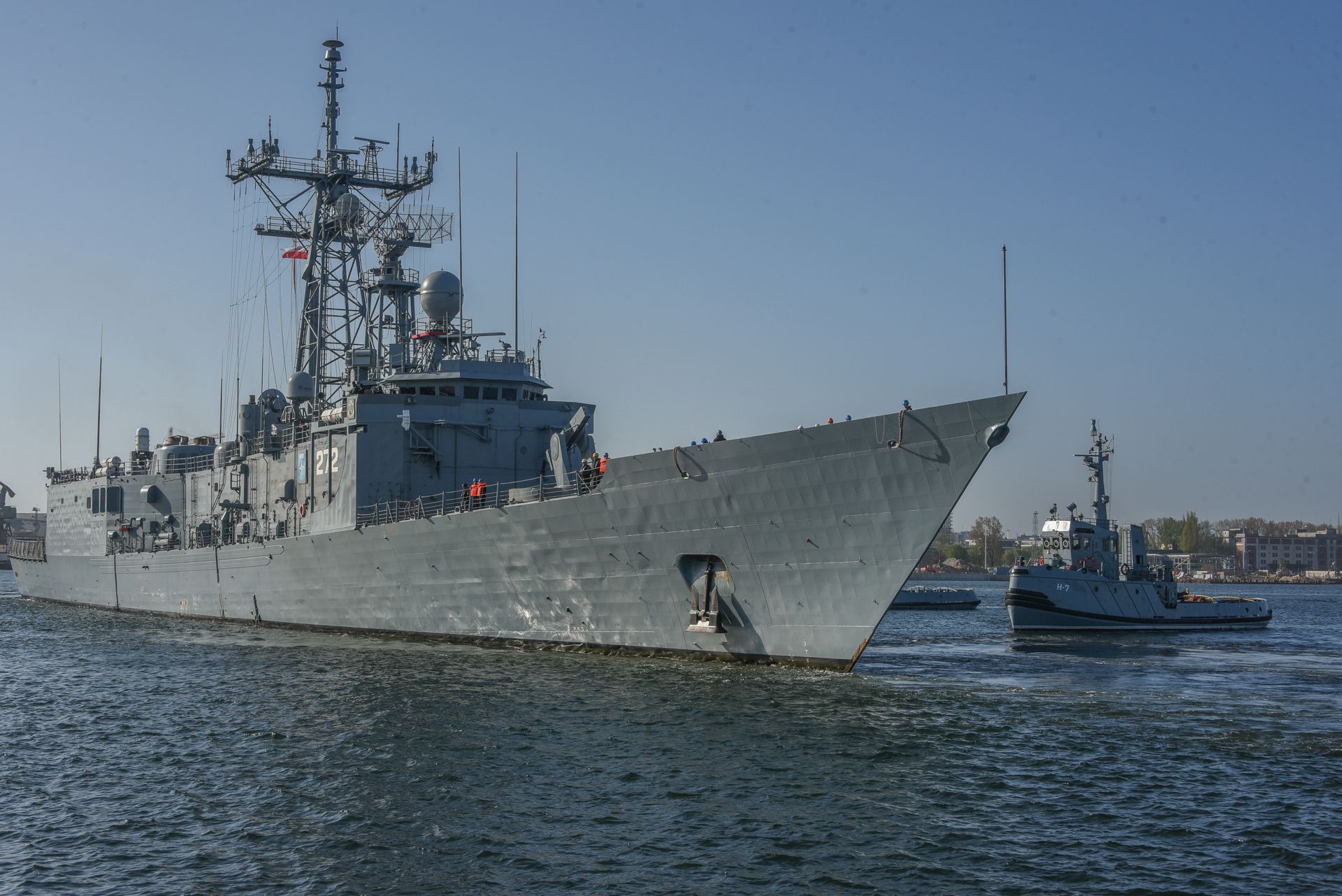
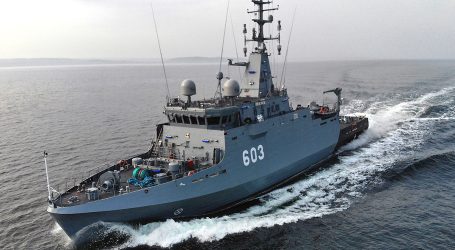
Poland’s President Karol Nawrocki has signed into law the so-called “Safe Baltic” Act, a major piece of legislation aimed at enhancing national security in the Baltic Sea region. The new legislation broadens the powers of the Polish Navy, Border Guard, and other security services operating at sea and in adjacent airspace.
Expanding Maritime Security Mandates
The Act — officially titled the law on amending certain acts to improve the operations of the Armed Forces of the Republic of Poland in the event of threats to state security in Polish maritime areas and to ensure security in the Baltic Sea — significantly expands the legal tools available to Polish forces in protecting strategic maritime assets.
Key provisions include:
- Broadened authority for the Polish Navy to operate not only within territorial waters but also in international waters of the Baltic Sea, under the command of the Ministry of National Defence. Previously, such deployments required a separate presidential decision.
- Enhanced roles for the Border Guard and Police in supporting surveillance and response operations at sea and in the air.
- Expanded air defence and monitoring capabilities designed to detect and counter emerging hybrid or asymmetric threats in the region.
Protecting Critical Infrastructure
The legislation places a strong emphasis on safeguarding critical offshore infrastructure, including subsea pipelines like Baltic Pipe, offshore platforms and other energy links that are considered vital for national and regional security.
Under the new rules, armed units may engage hostile targets in defence of such infrastructure, in self-defence, or to protect allied military assets at sea, subject to operational command approval.
Liability and Political Debate
A notable feature of the law is its explicit clarification of responsibility for damage caused during military operations. It specifies that the Ministry of National Defence (MON) will be financially responsible for harm to third parties resulting from domestic operations by Polish or allied forces. This change was introduced as an amendment during parliamentary proceedings.
The bill’s advancement through the legislative process sparked debate. Some opposition voices raised concerns about the expanded powers and decision-making authority granted to the Ministry of Defence — particularly regarding deployments abroad — without prior presidential approval. Supporters argue the changes are necessary to ensure rapid response in times of crisis.
Context in Regional Security
The signing of the Safe Baltic Act reflects broader trends in Baltic regional security. Poland has been advancing maritime security cooperation with NATO allies and neighbouring states, partly in response to heightened geopolitical tensions in the Baltic Sea region.